Pause video
Pause video

Neuroregenerative Program

WHAT TO EXPECT

Our Neuroregenerative Program was designed for people living with conditions like Parkinson’s, multiple sclerosis (MS), and essential tremors who wish to explore the use of ibogaine for these conditions.

APPLY NOW

Using optimized loading doses followed by extended microdosing, the protocol targets regeneration and an improved quality of life in the long term  – backed by emerging data, ongoing research, and human-centric care.

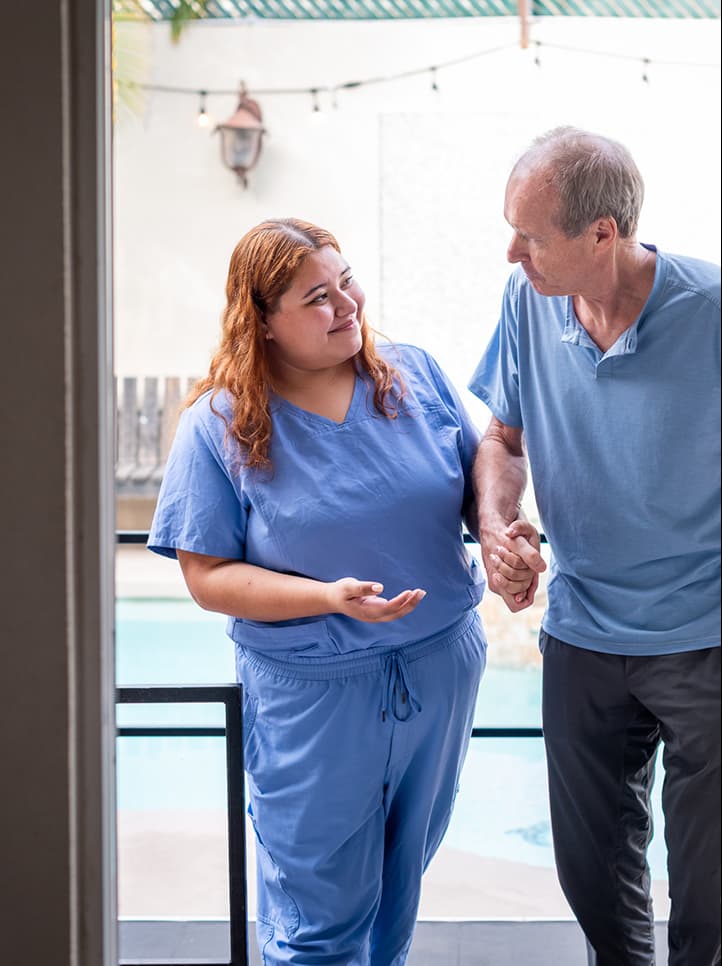
This treatment uses an optimized ‘loading dose’ of ibogaine, ideal for people with physical challenges or age-related concerns, as a precursor to extended microdosing. You’ll be treated in accessible facilities and the comfort of a private room, with medical staff beside you throughout the treatment process. We also provide supportive physiotherapy to help you explore subtle changes in your body’s motility and mobility. This approach is designed to mitigate the complexities of the body’s needs and honor the complexity of chronic illness. 

HOW DOES IT WORK?

Ibogaine treatment for neurodegenerative conditions is unproven and still experimental. However emerging research and clinical data suggest ibogaine can – to varying degrees – improve motor function, mood, and neuroplasticity, while enhancing cellular metabolism and reactivating underperforming areas of the brain.

In relation to Parkinson’s disease, ibogaine appears to stimulate the release of glial cell-derived neurotrophic factor (GDNF), a naturally occurring protein that helps repair and support dopamine-producing neurons. Early clinical trials have explored direct brain injection of GDNF as a treatment for Parkinson’s, and the increase of GDNF remains a target for Parkinson’s treatments. Although it has not yet entered clinical trials, ibogaine is one of the only known substances that can orally stimulate GDNF in deep brain regions.

In relation to multiple sclerosis, preclinical animal studies and Ambio’s own case study research suggest that ibogaine may help to repair myelin in the brain’s white matter. Some early preclinical work has shown similar remyelination in small animal models. This theory parallels clinical improvements in some MS patients, particularly those with early forms of the disease.

Who Can Benefit

Ambio’s Neuroregenerative Program was designed for people living with chronic neurological conditions who are looking for relief and renewed mobility. We’ve treated patients with Parkinson’s disease, multiple sclerosis (MS), traumatic brain injuries (TBI), essential tremors, chronic neuropathic pain, and more.

THIS PROGRAM MAY BENEFIT
  • People with mobility limitations or muscle spasticity

  • People who may not meet the screening criteria for higher-dose programs due to cardiac risk, age, or medication profiles

  • Those looking for a gentler, more medically adaptive approach to psychedelic medicine

If you’re navigating the physical, emotional, or spiritual weight of long-term illness, Ambio’s Neuroregenerative Program can provide a new option for managing symptoms and help you regain quality of life.

Eligibility and Facility Limitations

Every neurodegenerative condition presents unique needs, and in some cases, those needs may exceed what our current facilities and protocols can safely accommodate. Before applying and deciding whether ibogaine is right for you or your loved one, learn more about program fit, facility capabilities, and important medical considerations. Read More

Mexico

Key Details

apply now
TIME COMMITMENT

4 days

Varies by individual needs
PROGRAM INVESTMENT

$9,350 USD

Covers initial treatment + initial microdosing supply)

‍

Research Papers

SCIENCE DIRECT

Extracellular flux analysis and proteomic profiling indicate ibogaine promotes synaptic plasticity and neural repair by a metabolic preconditioning mechanism

This paper examines how ibogaine may enhance synaptic plasticity and neural repair. Extracellular efflux analysis showed that ibogaine (3, 10 or 30 μM) produced a rapid (<5 min) and concentration-dependent suppression of mitochondrial function and glycolysis in mouse cortical neurons.

READ FULL ARTICLE
Nature Medicine

Magnesium–ibogaine therapy in veterans with traumatic brain injuries

The “Stanford Study” looked at 30 retired Special Operations veterans with traumatic brain injury who showed major improvement across disability, post-traumatic stress, depression and anxiety. This paper helped spark a major upsurge in ibogaine research and state-level funding initiatives in the US.

READ FULL ARTICLE
Frontiers in Immunology

Case report: Significant lesion reduction and neural structural changes following ibogaine treatments for multiple sclerosis

Ambio’s preliminary case report on two MS patients (one relapsing remitting, one secondary progressive). We observed broad symptomatic improvement alongside structural changes in the brain; the RRMS case showed a 71% reduction in white-matter lesion volume post-treatment.

READ FULL ARTICLE
Frontiers in Neuroscience

Ibogaine administration following repeated morphine administration upregulates myelination markers CNP and MBP … in Sprague Dawley rats

In rats given morphine, a team led by Prof. Tanya Calvey found ibogaine switched on the molecular machinery for remyelination — rebuilding the protective “insulation” around nerve fibers — with the effect strongest about 72 hours after treatment.

READ FULL ARTICLE
Frontiers in Pharmacology

Ibogaine Administration Modifies GDNF and BDNF Expression in Brain Regions Involved in Mesocorticolimbic and Nigral Dopaminergic Circuits

Marton et al. (2019) gave rats a single dose of ibogaine and measured neurotrophic factors — proteins that help neurons grow, survive and rewire. GDNF rose specifically in the VTA at 24 hours, after ibogaine had cleared the brain, pointing to a self-sustaining mechanism that could explain why ibogaine’s effects outlast the drug itself.

READ FULL ARTICLE
The Journal of Neuroscience

Glial cell line-derived neurotrophic factor mediates the desirable actions of the anti-addiction drug ibogaine against alcohol consumption

The foundational study tying ibogaine’s effect to a growth factor. A single dose raised GDNF in the midbrain of rats and mice; delivering ibogaine into the VTA produced a lasting drop in alcohol self-administration, and blocking GDNF cancelled the effect. The paper #4 builds on.

READ FULL ARTICLE
Cell Reports

Psychedelics Promote Structural and Functional Neural Plasticity

The paper that coined “psychoplastogen.” A range of psychedelics increased the growth of neurites and dendritic spines (where neurons form new connections); ibogaine’s long-lived metabolite, noribogaine, was among the compounds shown to spur this growth. A broad frame for why these substances may support repair.

READ FULL ARTICLE

Press & Publications

Success Stories

Studies have shown measurable improvements in mood, cognition, and quality of life following ibogaine treatment – particularly in individuals with conventional treatment-resistant conditions.

Parkinson’s
Parkinson’s
Neuropathic Pain

43-year-old male for Parkinson’s

Parkinson’s
Parkinson’s
TBI - General

67-year-old male for Parkinson’s and anxiety

Podcasts & Interviews

Hear conversations about ibogaine's potential for neurodegenerative disorders and neural repair.
FAQS

Neuroregenerative Program

For additional questions and answers about Ambio, our programs, processes, and policies, visit our comprehensive
FAQ page here.

Who typically attends the Neuroregenerative Program?
How long is the Neuroregenerative Program from start to finish?
What is the cost of the Neuroregenerative Program?
What is the dosing protocol in the Neuroregenerative Program? 
Is ibogaine a cure for neurodegenerative disease?
Where does treatment take place?
What do accommodations in the Neuroregenerative Program include?

Begin your

journey today

apply now