


Blog


Photo: Photograph of a meeting between Blessings of the Forest, Gabon’s Nagoya Task Force, The Gabon’s Ministry of Forests, Terragnosis, and A2E Community Association outside of Ebyeng, Gabon in January 2023. Used with permission from Yann Guignon.
In 2023, my ibogaine supply company Terragnosis was granted the first exportation license for Tabernanthe iboga under the country’s pilot implementation of the Nagoya protocol, giving us permission to use the genetic resource to develop a GMP total alkaloid extract. The project was supported by Blessings of the Forest (BoTF), an NGO that tirelessly campaigns to protect Gabon’s cultural sovereignty around traditional knowledge of iboga, as well as the A2E Community Association, a village in northeastern Gabon that is home to an iboga farm financed by BoTF.
In May, following President Donald Trump’s ibogaine-centric executive order, Gabonese president Brice Oligui Nguema’s Council of Ministers issued a decree that outlined a new regulatory framework for iboga. My current trip, supported by Yann Guignon of BoTF, helped to establish key contact so that we could collaborate through this substantial legal transition.
In addition to other leaders, I had a televised meeting with Guy Bertrand Mapangou, the president of the Economic, Social, Environmental, and Cultural Council (CESEC). In 2019, while serving as the Minister of Forests, Mapangou issued a Ministerial Order banning unlicensed iboga exportation. Last month, this decision was elevated in another executive decree by Gabon’s Council of Ministers, enhancing its legal effect.
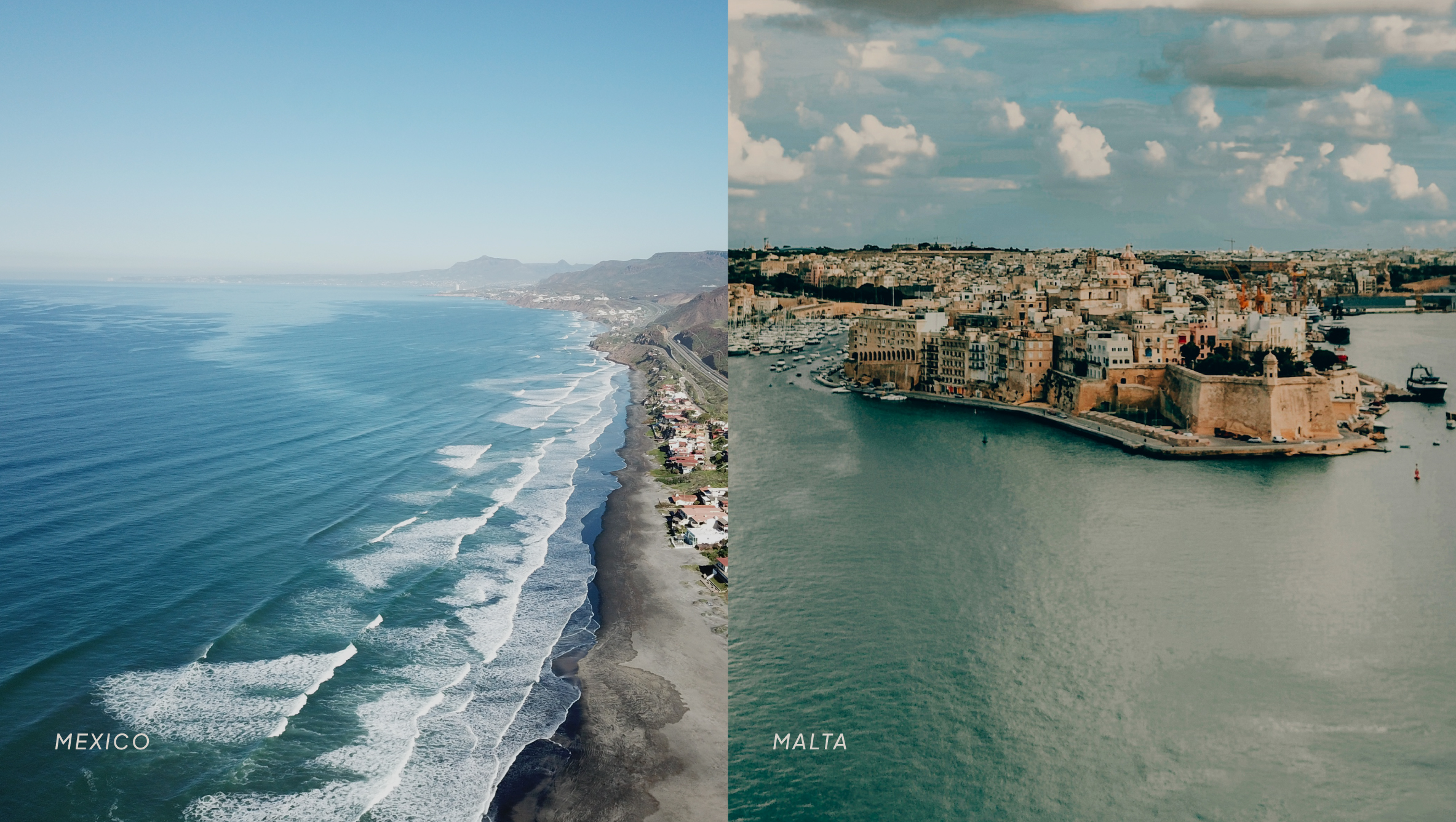
The refrain throughout these meetings with both government representatives, government advisors, and traditional leaders, is a strong invitation for Ambio Life Sciences to open a clinic, similar to the facility we opened in Malta earlier this year. The vision that we share is a project that would integrate traditional methods with the medical practices now developing internationally.
In a recent Mongabay article, Pulitzer Center grantee Molly Helfend depicted only part of Terragnosis’ agreement with A2E. She described it as payments for root bark before export, followed by a commitment to share downstream benefits arising from its use, and contrasted the price of the bark with the price of an ibogaine treatment. She also reported that the community had not yet received the downstream payments we committed to.
When Ms. Helfend contacted me, I explained that we couldn’t share detailed financial figures because the Gabonese authorities had asked us to keep them confidential. She obtained a figure from the community instead: about US$50,000 for 41kg between 2023 and 2025.
Her figure is close to what the community received directly in the initial purchase, but it is not the whole picture. Both the reporter and Mongabay’s editors knew this when the article went to press: we had told them that further figures existed, and Mongabay contacted us to check facts only after publication. Without that context, the “price of iboga” was picked up by several other news sources, including within Gabon. One psychedelic industry newsletter concluded that “When Gabon finally did strike a benefit-sharing deal in 2023, a village got paid for its iboga bark, but the promised cut of clinic revenue never showed up. No wonder [Gabon] is tightening the rules.”
Soon after, the former Forest Minister, Lee White, clarified on X that the agreement had established a starting price of €2,000 per kilogram, with a commitment to increase over time. What that means is that for 41kg: Terragnosis paid €82,000, which is US$92,000 at today’s market exchange rate.
The figure demonstrates that the community received 60% of the purchase price as an outright payment. The other 40% was retained by Blessings of the Forest as a reserve to continue their ongoing support of A2E’s projects. BoTF had funded A2E’s farm from its inception, paying for every shovel, boot, and glove, in addition to other kinds of support like covering the school fees for all of the children amongst their five member communities, constructing water pumps, helping to install electric fences to keep elephants out of the plantations, and numerous other community projects.
Every quarter, BoTF’s dedicated field team made the 14-hour drive inland to count every tree on every plot and paid the community an incentive for every living iboga tree to cover the ongoing upkeep and to encourage further planting. All told, this additional financial support amounted to more than €130,000, meaning that over the course of the project, the community has received almost four times what Mongabay reported in addition to several other non-monetary benefits.

Again, the price for bark was only meant to be the first component of the transaction. In addition to that, the agreement promised downstream benefits derived from the proceeds of the use of that material. The simplest reason that no downstream payment has been made to date is that the contract stated that the funds would be held in trust until there was a sovereign fund established to manage their distribution. Since approval of our dossier, we’ve asked for clarity on how to distribute these funds in annual reports and correspondence, anticipating the formation of an appropriate fund.
The other reason that the issue is more complicated than the article suggests, is that almost none of the benefits Terragnosis has generated and placed into trust are derived from the root bark that was sourced from A2E. Terragnosis has invested heavily to get the program off the ground and has yet to generate anything approaching a profit on our total alkaloid product.
Most of the funds that are currently held in trust come from Terragnosis’ other revenue sources. For years, I have been a strong advocate for the use of alternative ibogaine sources like semi-synthetic production from Voacanga africana, grown elsewhere in Africa, in order to avoid the negative social and ecological impact of poached Gabonese iboga. Terragnosis currently supplies Mexican clinics with this voacanga-derived ibogaine, and my Nagoya application included a percentage of revenues generated from these sales as well.
The rationale for this indirect benefit share is based on a much deeper issue underlying Nagoya, which extends beyond “traditionally used genetic resources” to the “intangible traditional knowledge associated with genetic resources.”
The history of iboga’s use, its transmission to the Western world, and its development as a clinical therapeutic, is long and complex. I included much of what I know about this topic in my recent book Ibogaine and the Bicameral Mind, which goes on to demonstrate an obvious link between traditional knowledge and the scientific and medical knowledge that informs modern clinics like Ambio Life Sciences. Acknowledging this, in addition to Terragnosis’ monetary benefits sharing agreement, Ambio has also committed to provide another layer of financial benefits derived from profits on the treatments provided - again primarily with semi-synthetic ibogaine - a modest sum that also sits in trust.
Suffice to say, the conversation of who should receive benefits from the use of root bark exported from A2E is much more clear-cut. The question of who is the authentic beneficiary of the knowledge about the use of iboga, and even of ibogaine that doesn’t even originate in Gabon, is much broader and more philosophical. All evidence considered, I do believe that traditional knowledge holders in Gabon have a legitimate claim to benefit from the use of iboga internationally, but it will require organization amongst traditional knowledge holders throughout the country to authenticate the “free prior and informed consent” that Nagoya asks for, and to determine the best way to allocate those benefits.
Blessings of the Forest has led the field in this respect as well, helping to support the formation of traditional associations in individual branches of Bwiti. They are involved in helping to facilitate a national conference to bring together temples from across the country to speak without the burden of performative outside influence. The outcome of this project will be a platform to negotiate about the broader cultural knowledge related to ibogaine.
Over the years, I’ve watched Blessings of the Forest and others in Gabon contend with coverage that moves faster than the facts. Whatever my disagreements with how this story was reported, I agree with its underlying concern. Traditional communities must be amongst the direct beneficiaries of benefits derived from traditional knowledge.
Nagoya was written to enshrine this principle. Article 5(5) says that each Party to the Protocol must take measures so that benefits from using traditional knowledge associated with genetic resources are “shared in a fair and equitable way with indigenous and local communities holding such knowledge,” on mutually agreed terms.
With this goal in mind, Terragnosis continues to invest in the development of a botanical product for international use in collaboration with communities and the Gabonese authorities. Both Terragnosis and Ambio continue to collect benefits from the sale of medicine and from treatments that are conducted and anticipate the impending formation of the sovereign iboga fund to manage those benefits, and are ready to disburse these funds once the community share is fully defined. I’m now inspired to further these commitments by investing directly in relocating manufacturing and establishing clinical facilities in Gabon, as soon as possible.
I continue to believe that Gabon’s implementation of Nagoya to protect iboga is an important precedent, and not only for the country’s own traditional communities. This local issue provides one of the most clear-cut and precisely defined examples of where the Nagoya protocol applies. How it shapes up here will influence numerous many other industries.


